Introduction: Why Desert Safaris Define Dubai’s Identity
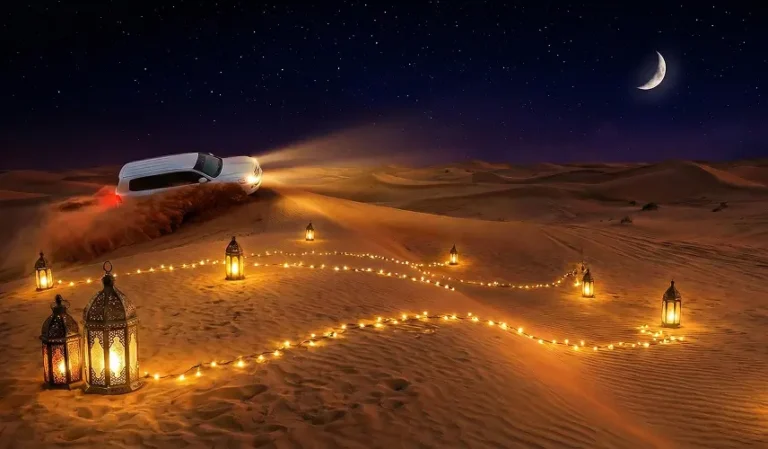
Close your eyes and picture Dubai. Do you see glittering skyscrapers? Luxurious malls? Or do you imagine a convoy of jeeps rolling over golden dunes at sunset, followed by a night under the stars?
For millions of visitors, the desert safari is the quintessential Dubai experience. It combines thrill, culture, and tradition in one unforgettable adventure. Yet, few realize that these safaris are more than entertainment – they are deeply tied to the history of the UAE, its Bedouin roots, and its journey into modern tourism. This guide traces the history of desert safaris in Dubai and the cultural roots of UAE desert safaris.
To understand the popularity and meaning of desert safaris, we need to travel back in time – to the nomadic Bedouins, to camel caravans crossing vast sandscapes, to the early days of tourism in the 1970s. This is the story of how a way of life turned into one of the world’s most iconic travel experiences.
Table of Contents
The Desert as the Heart of Emirati Heritage
Long before Dubai became a global city, the desert was the lifeblood of Emirati and Bedouin cultures in the UAE. The Arabian Desert is harsh, vast, and unforgiving. Water was scarce, food was limited, and survival depended on resourcefulness. Yet, the Bedouins – nomadic desert tribes – thrived here for centuries.
Camels were their lifeline: providing milk, meat, transport, and trade. Falcons were their hunting partners, trained to catch prey with precision. Palm groves and oases sustained families when rains failed.
Perhaps most importantly, the desert gave rise to values of hospitality and community. In an environment where survival often depended on the kindness of strangers, Bedouins became renowned for their generosity. Offering coffee, shelter, and food was more than etiquette – it was essential.
When you sip Arabic gahwa (coffee) and taste fresh dates at a modern safari camp, you’re not just enjoying a treat; you’re experiencing a living tradition passed down for generations.
The desert is not empty — it is full of stories, hospitality, and life. Every safari is a chance to walk in the footsteps of the Bedouins.
Origins of Desert Safaris in the UAE
When Did Desert Safaris Start in Dubai?
For centuries, journeys into the desert were not for leisure, but for survival, trade, or pilgrimage. Bedouins crossed dunes with camel caravans, traders carried spices and pearls, and travelers rested in tents lit by oil lamps. The idea of entering the desert for enjoyment – what we now call a safari – is relatively new.
- Pre‑1960s: The desert remained the domain of Bedouins. Visitors were rare and usually explorers or merchants.
- 1960s: As oil wealth reshaped the UAE, expatriates began venturing into the desert for weekend escapes, often with borrowed Land Rovers.
- 1970s: Tourism gained momentum, and companies began offering the first organized desert tours. These were basic by today’s standards: camel rides, simple barbecues, and stargazing.
- 1980s–1990s: Desert safaris grew more sophisticated, incorporating cultural performances, dune bashing, and entertainment.
From Bedouin Journeys to Tourism
Early tourists were fascinated by the romance of desert life: sleeping in tents, watching falcons hunt, and riding camels across endless sand dunes. For Bedouins, these were everyday realities. For visitors, they were exotic, almost mystical experiences. This fascination created a bridge between past and present, setting the stage for desert safaris to become a cultural showcase. If you’re wondering how desert safaris started in Dubai, the origins of desert tours lie in these early encounters between residents and visitors.
Bedouin Culture That Shaped Desert Safaris
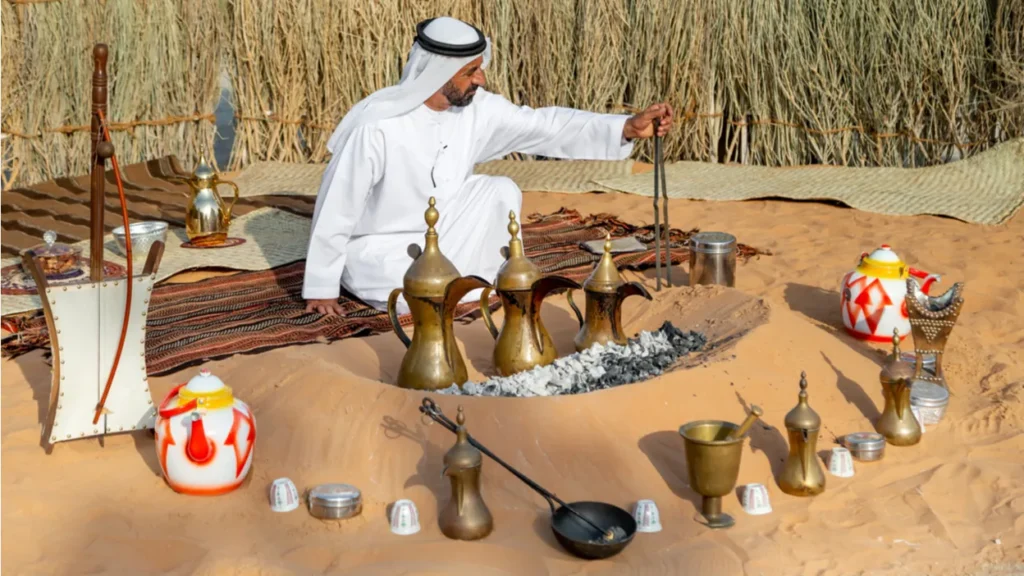
Today’s safaris may feature luxury jeeps and gourmet buffets, but at their core, they still reflect Bedouin traditions.
Hospitality, Storytelling & Camps
Step into a traditional‑style camp, and you’ll find echoes of Bedouin life: carpets on the sand, lanterns flickering, and a warm welcome.
- Arabic coffee (gahwa) is served in small cups.
- Dates and sweets are offered as a gesture of goodwill.
- Stories, poetry, and music shared under the stars.
This isn’t just tourism – it’s a glimpse into the values that sustained nomads in the desert.
Camel Caravans as Lifelines of Travel
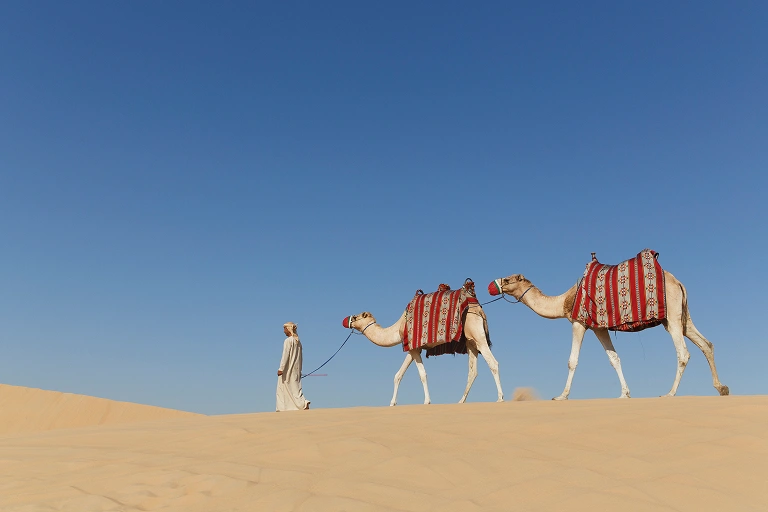
Long before jeeps, there were camel caravans. Known as the “ships of the desert,” camels were perfectly adapted to harsh conditions, traveling days without water. For Bedouins, caravans weren’t a choice – they were survival. For tourists today, a camel ride is a symbolic journey, connecting them to centuries of tradition. Today, traditional camel rides in the UAE keep this history tangible for visitors.
Falconry and Traditional Skills
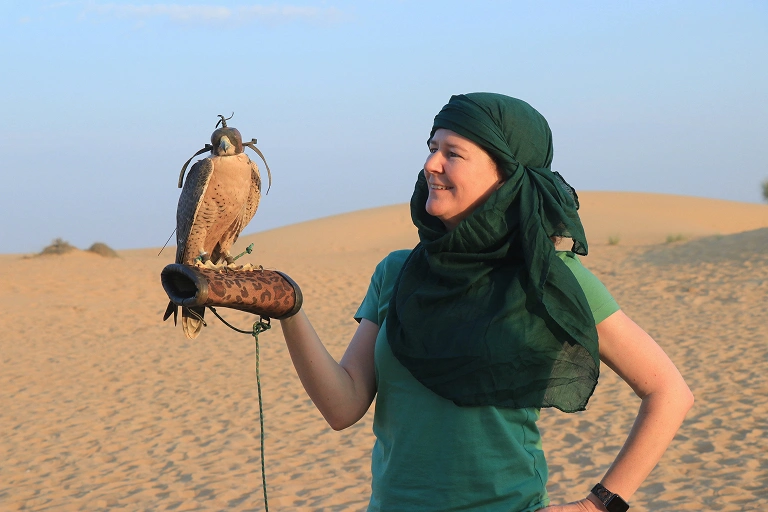
Falconry, once essential for hunting, remains a living art in the UAE. Many heritage‑focused safaris include flight demonstrations that showcase the bond between falcon and falconer.
Tourism Boom of the 1970s–1990s
The 1970s marked a turning point. With oil wealth flowing, Dubai began investing heavily in tourism.
- Hotels and resorts opened.
- The first safari companies appeared.
- Expatriates and visitors flocked to the dunes.
What was once a Bedouin lifestyle became a structured tourism product. By the 1990s, desert safaris were included in nearly every tour package. They became a symbol of Dubai’s tourism identity, alongside shopping and luxury. Travelers returned home not only with shopping bags, but with stories of dune drives, camel rides, and starry desert nights. This period marks a key chapter in Dubai desert tourism history.
The Evolution of Desert Safaris in Dubai
From Camels to Jeeps and 4×4s
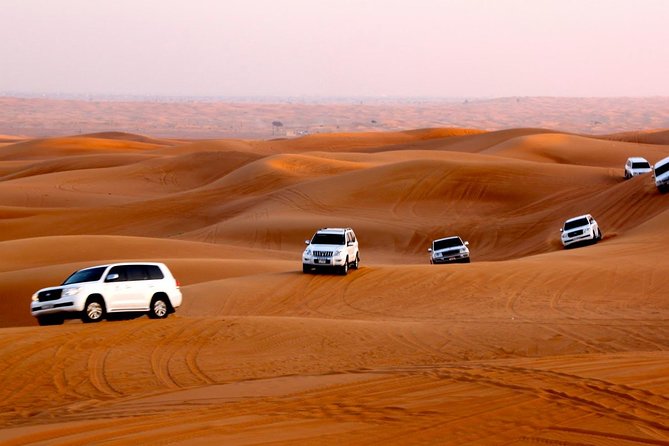
The biggest transformation came when Land Rovers and Toyota Land Cruisers entered the scene. Suddenly, safaris weren’t about slow journeys – they were about adrenaline.
- Dune bashing became the highlight.
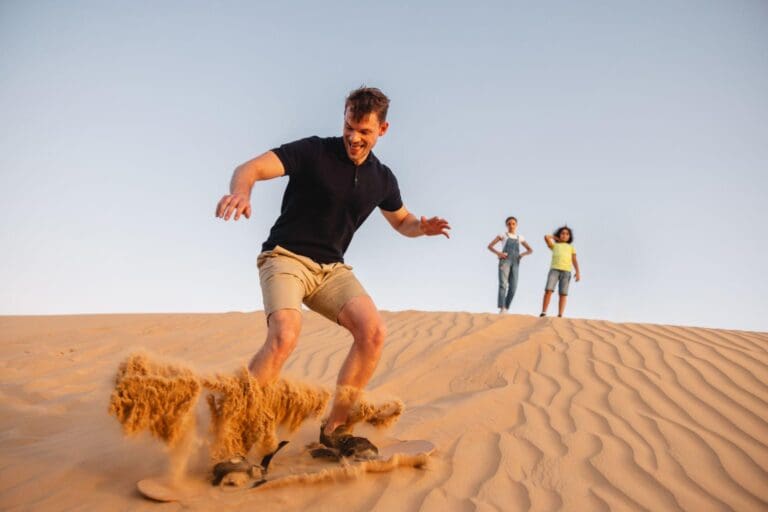
- Sandboarding offered a desert version of snowboarding.
- Quad biking gave thrill‑seekers their fix.
Adventure blended with culture, creating a unique hybrid.
Why Desert Safaris Became Dubai’s Most Popular Experience
Safaris offered something no other city could replicate:
- The rush of speeding over dunes.
- The beauty of desert sunsets.
- The depth of Bedouin‑inspired hospitality.
For first‑time visitors, it was the perfect combination of thrill, culture, and scenery.
Check out our Desert Safari Dubai Experiences
Heritage & Cultural Preservation in Modern Safaris
In the 2000s, a new trend emerged: heritage‑focused safaris that highlighted rituals and wildlife alongside lighter driving. These tours emphasize authenticity over adrenaline. Visitors might ride camels along traditional routes, watch falcons in flight, and dine on Emirati dishes cooked in desert camps. For a heritage desert safari in the UAE, choose operators that foreground authentic desert experiences in Dubai – smaller groups, cultural hosts, and low‑impact practices.
Are these safaris truly authentic? Some elements are adapted for modern comfort, but the essence of Bedouin culture remains central – hospitality, storytelling, respect for nature, and community.
Sustainability, Eco‑Tourism & Conservation
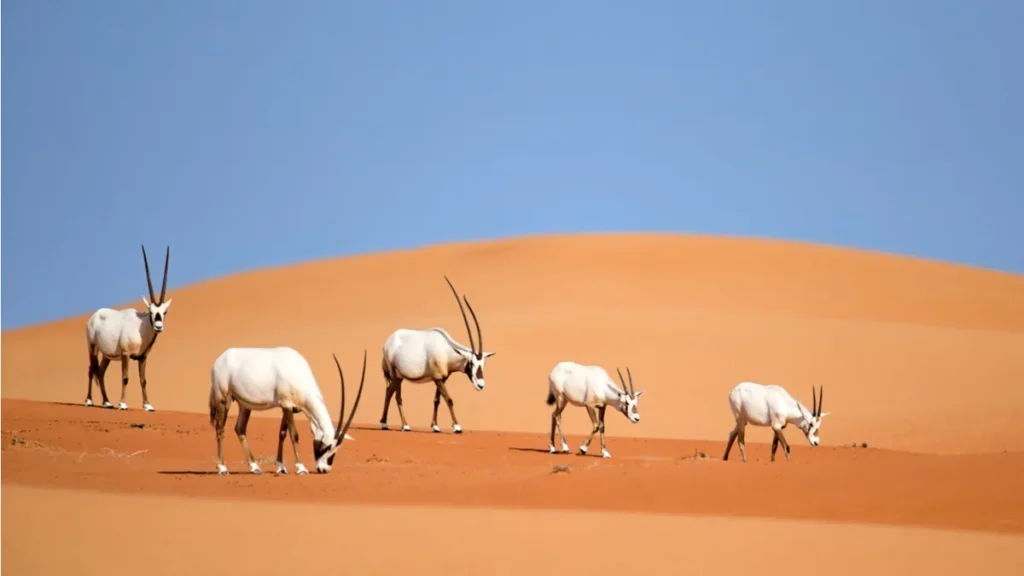
The next chapter of safaris focuses on sustainability.
- Camps powered by solar energy.
- Restrictions on vehicle use to protect dunes.
- Wildlife conservation projects for Arabian oryx and gazelles.
Travelers increasingly seek responsible tourism – experiences that connect them to culture without harming the environment. Eco‑conscious operators are leading the way across Dubai and the wider UAE.
Cultural Roots That Remain Today
Despite modernization, many traditions remain at the heart of the desert safari:
- Camel rides keep alive the Bedouin way of travel.
- Falconry continues to showcase ancient skills.
- Hospitality rituals remind visitors of the generosity of the desert.
These practices ensure that desert safaris are more than entertainment. They are a living museum of Emirati culture, open to the world.
Historical Timeline
| Period | What Happened | Why It Matters |
|---|---|---|
| Pre‑1960s | Safaris have become a signature Dubai experience. | Roots of camel culture, hospitality, and survival skills. |
| 1960s | Oil era begins; expatriates explore dunes in early 4×4s. | The idea of leisure trips into the desert takes shape. |
| 1970s | First organized tours emerge; simple camps and camel rides. | Birth of the “desert safari” as a tourism product. |
| 1980s–1990s | Dune bashing, shows, and larger camps popularize safaris. | Safaris become a signature Dubai experience. |
| 2000s | Heritage‑focused programs and conservation areas expand. | Balance between culture, wildlife, and tourism. |
| 2010s–Today | Choice widens: luxury, private, eco, and adrenaline tours. | Personalization and sustainability lead the future. |
Planning Tips
- Best time: October to April for cooler evenings.
- What to wear: Breathable layers, closed shoes, scarf/hat, and a light jacket in winter.
- Health & safety: Avoid intense dune bashing if pregnant or prone to motion sickness.
- Photography: Golden hour is prime; protect lenses from sand with filters.
- Logistics: Confirm hotel pick‑up, group size, and itinerary details.
- Etiquette: Accept coffee with the right hand; dress modestly for camp settings.
Glossary of Desert Terms
- Gahwa: Arabic coffee, served in small cups with dates.
- Majlis: Traditional seating area for guests.
- Rub’ al Khali: The Empty Quarter, a vast desert spanning the Arabian Peninsula.
- Wadi: Dry riverbed that can flood after rains.
- Shuway: Slow‑cooked meat, common at heritage dinners.
Conclusion: More Than Just a Tourist Experience
The story of desert safaris mirrors the story of Dubai itself. What began as a struggle for survival in the sands has evolved into a global tourism phenomenon, blending tradition with innovation.
From Bedouin tents to luxury 4×4s, from camel caravans to eco‑safaris, desert tours are a reminder that even in a city of glass and steel, the roots of culture remain in the sand.
So the next time you sip coffee under the stars in the desert, remember – you’re not just on a tour. You’re part of a story that stretches back centuries.
In short, understanding the history of desert safaris in Dubai connects today’s travelers with the traditions that shaped the Emirate.
External references
Dubai Desert Conservation Reserve
FAQs
When did desert safaris start in Dubai?
Organized tours began in the 1970s, though their cultural roots go back centuries to Bedouin journeys.
Are desert safaris authentic cultural experiences?
Heritage safaris aim to preserve authenticity, while entertainment‑focused safaris often add modern elements.
What activities are part of a traditional safari?
Camel rides, falconry, Arabic coffee and dates, Emirati cuisine, and traditional performances.
What is the future of desert safaris in Dubai?
Eco‑tourism and sustainability will shape the future, ensuring safaris remain authentic while protecting the desert.